
How to modernise an older home without losing the character that made you fall in love with it in the first place.
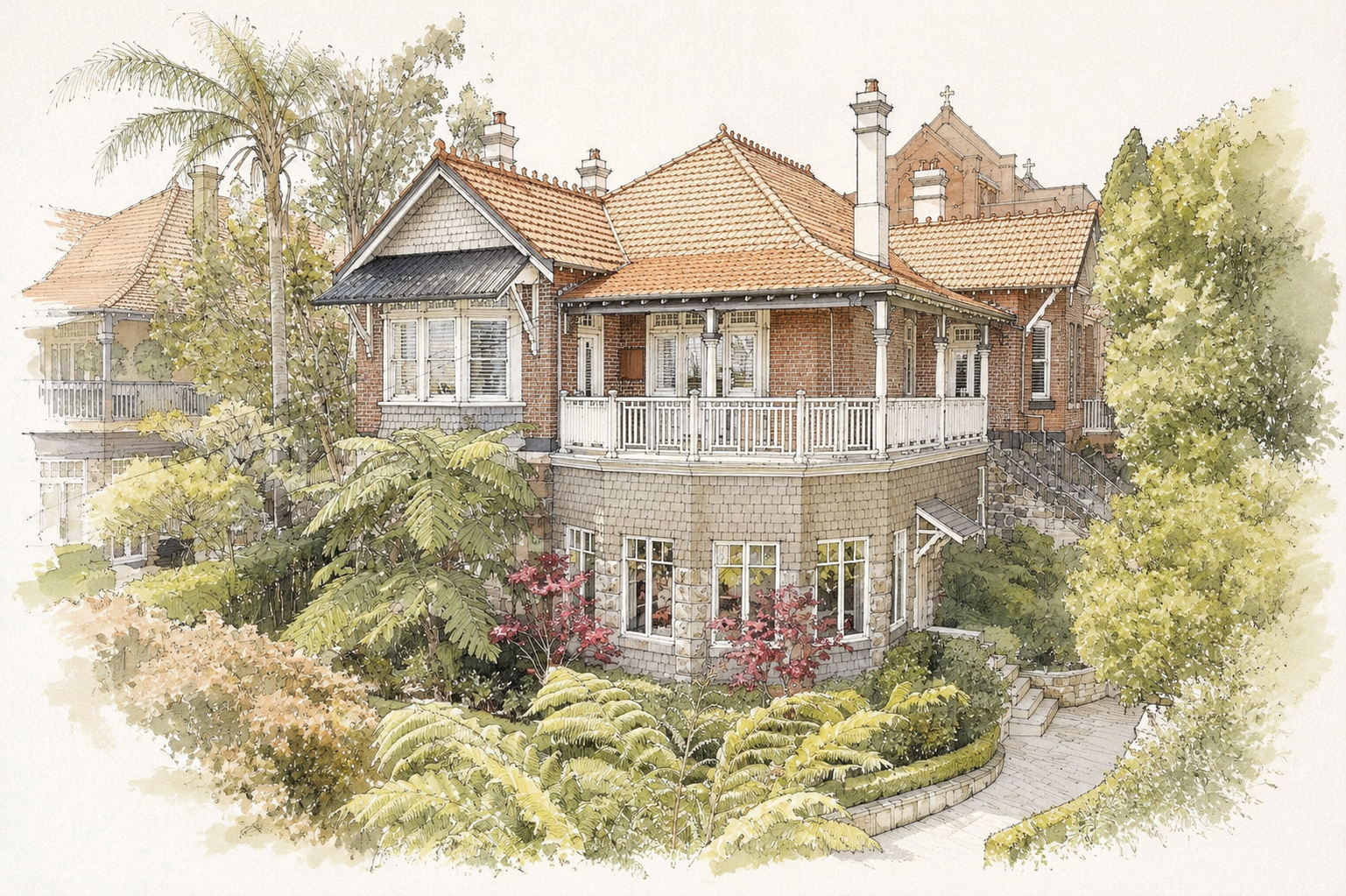
There is something very special about a Federation home.
It might be the warmth of the timber, the proportions of the rooms, the beautiful old windows, a fireplace tucked into the corner of a bedroom, the front verandah, decorative brickwork or simply the feeling that the house has a story to tell.
And yet, living in an older home doesn't mean you have to live as people did 100 years ago.
The challenge and, I think, the opportunity is to create a home that works beautifully for modern life while retaining the architectural details and character that give the house its soul.
For me, a successful Federation renovation isn't about recreating the past. It's about respecting what is already there and knowing what is worth keeping.
So, what should you keep?
The answer will be different for every house. Some Federation homes remain remarkably intact, while others have been altered, extended and renovated several times over the years.
Before removing anything, I always think it's worth taking a step back and asking:
What makes this house recognisably this house?
That question can lead you to some of the most important decisions you'll make during a renovation.
1. Original timberwork
Timber is one of the great pleasures of an older Australian home.
Look carefully at doors, architraves, skirting boards, picture rails, fretwork, timber ceilings, staircases and built-in cabinetry.
Even if the timber has been painted, damaged or altered over the years, it may still be worth preserving.
Don't automatically assume that everything needs to be stripped back to bare timber either. Painted joinery can be incredibly beautiful and can sometimes feel more sympathetic than a house full of newly restored, highly polished woodwork.
The important thing is to understand what you're working with before making the decision.
2. Original windows
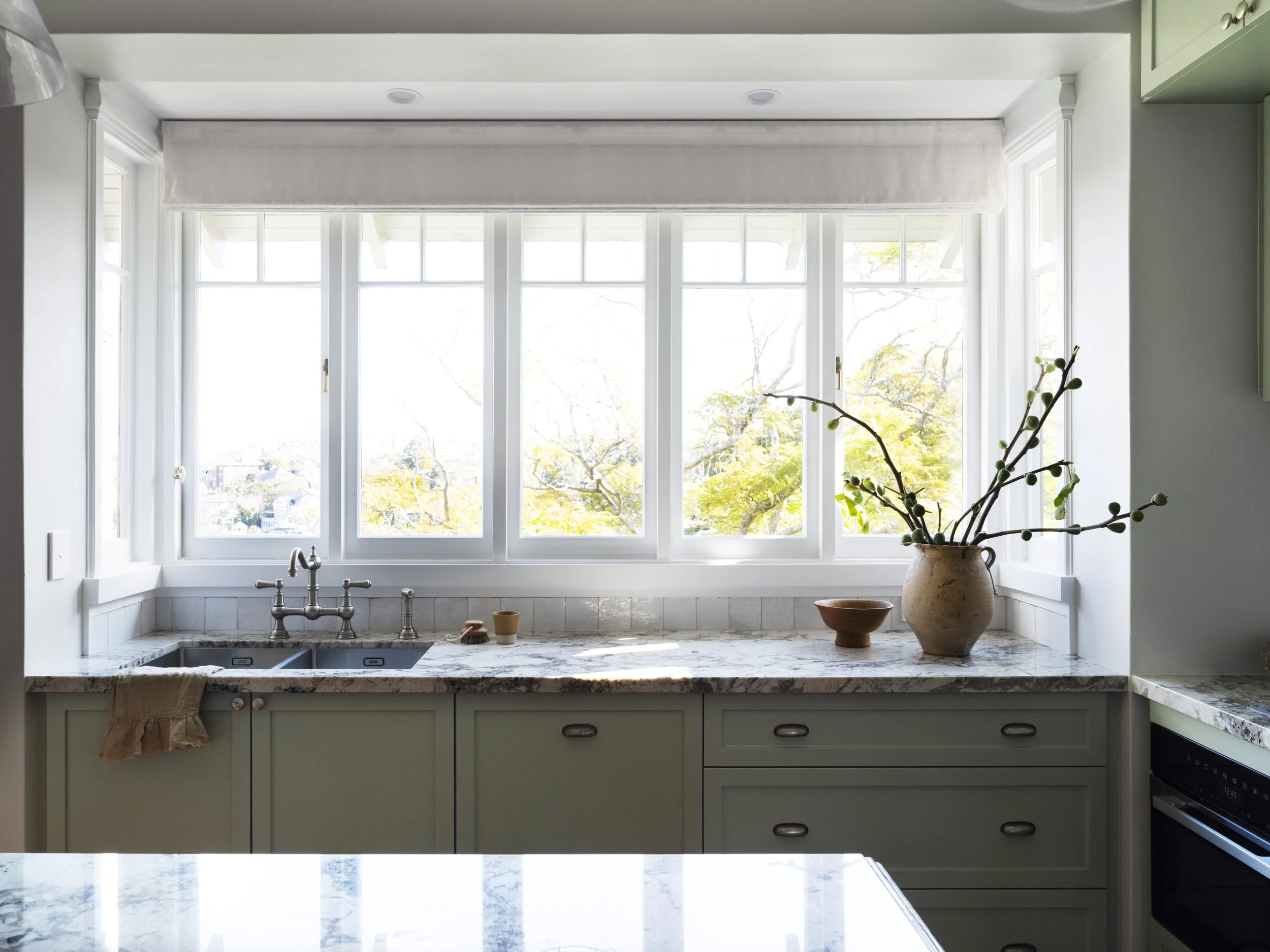
Old windows are often one of the first things homeowners consider replacing, particularly when they're draughty or even painted shut.
But before removing them, consider whether they can be repaired and upgraded with new fittings.
Original window proportions can be fundamental to the character of a Federation home. The way a window sits within a wall, the relationship between windows and doors and the rhythm of the façade all contribute to the architectural identity of the house.
Heritage records across NSW frequently document original window forms as part of the significance of individual Federation properties.
And aesthetically, there is simply something difficult to replicate about an old window.
If energy efficiency is a concern, investigate repair and sympathetic upgrades before deciding replacement is the only option.
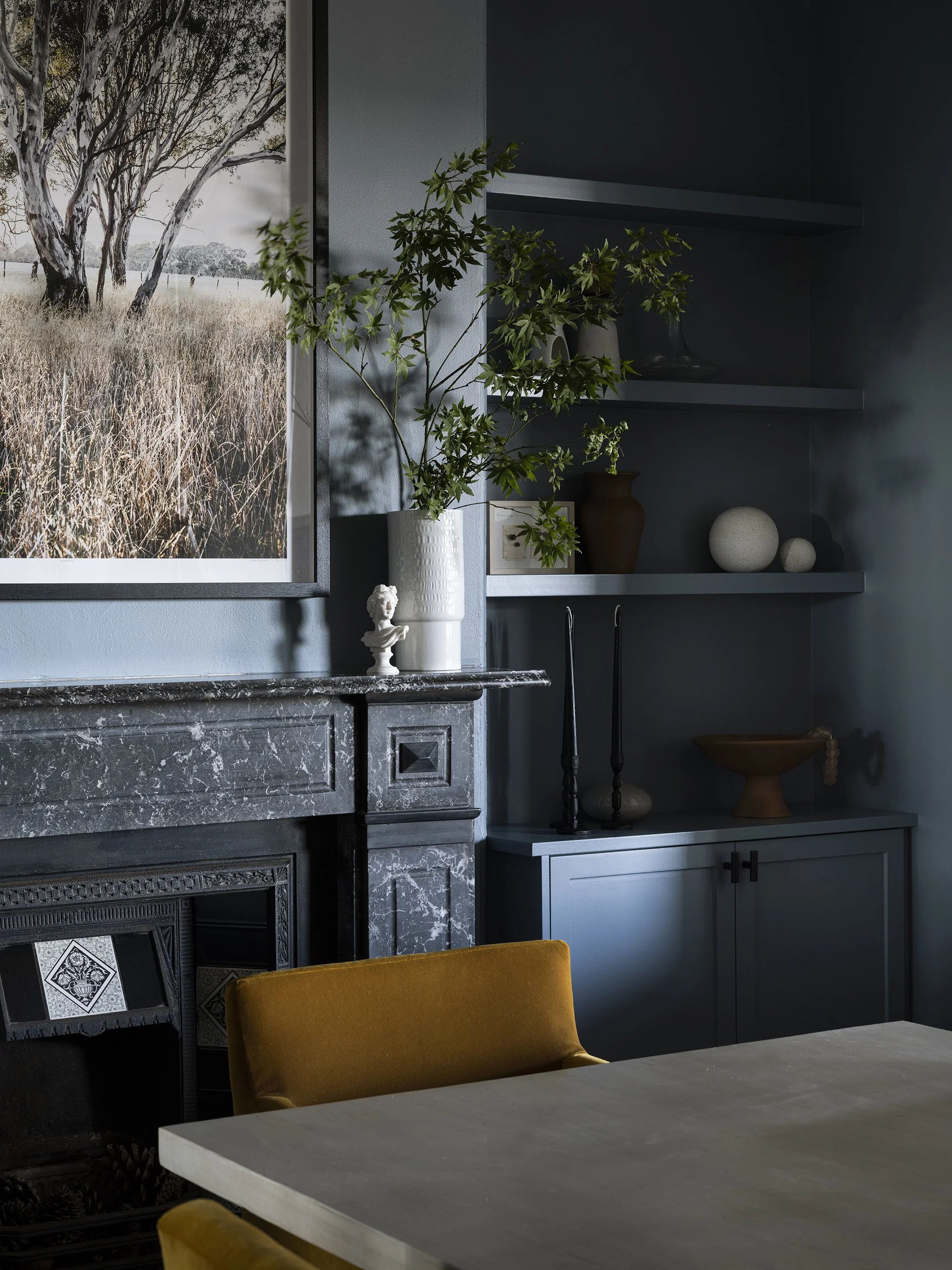
3. Fireplaces
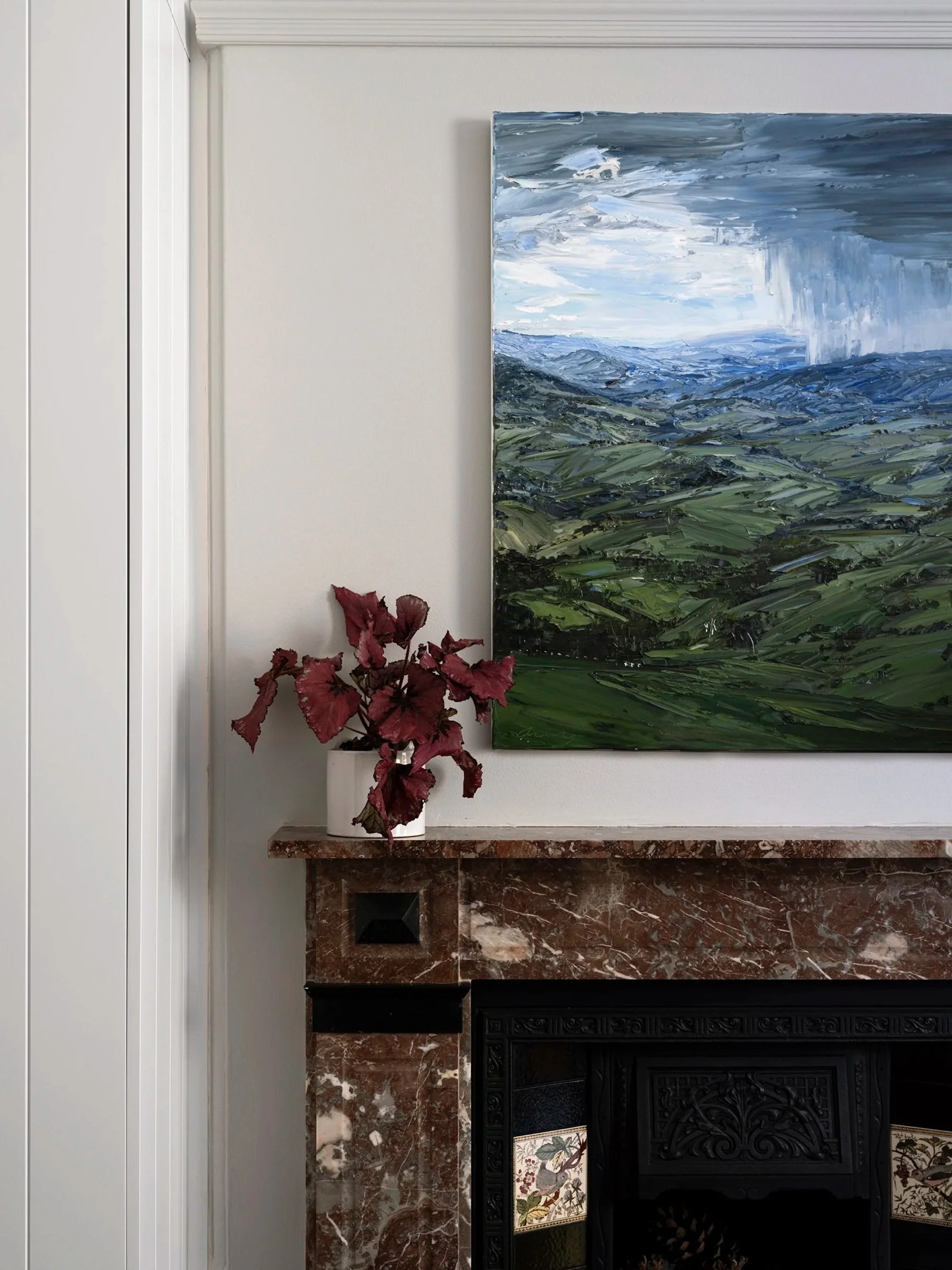
If your home has original fireplaces, I would think very carefully before removing them.
Even when the fireplace is no longer functional, it can provide an important focal point and help establish the proportions and character of a room.
A fireplace doesn't necessarily need to remain completely traditional either.
You can introduce a contemporary artwork above it, a beautiful mirror, a modern light fitting or a more contemporary piece of furniture around it. It can even incorporate a gas fitting to make the room cosier.
The fireplace becomes part of the conversation between old and new.
4. The original room proportions
This is one of the things I think gets overlooked most often.
When renovating an older home, the instinct can be to knock down walls and create one enormous open-plan space.
Sometimes that is exactly the right solution. But not always.
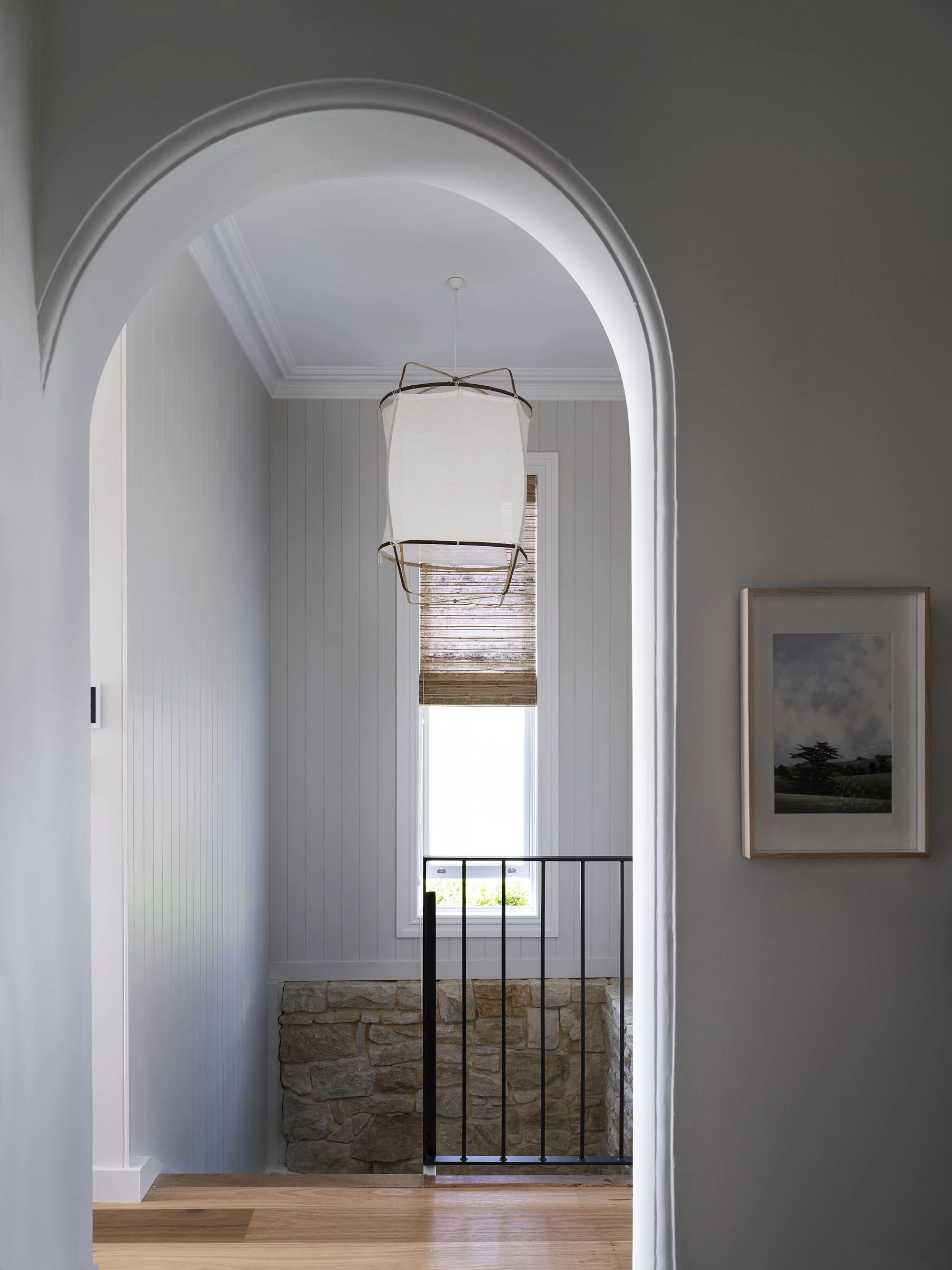
Federation homes were designed around particular relationships between rooms, corridors, windows, fireplaces and outdoor spaces. The plan itself can be part of the character.
Before removing walls, consider whether there is another way to improve the flow.
> Could a doorway be widened?
> Could a pair of rooms be visually connected?
> Could a new opening improve circulation while retaining the sense of separate spaces?
> Could joinery make an awkward room considerably more useful?
Good spatial planning doesn't always mean removing everything.
Sometimes it means making better use of what is already there.
5. Architectural details
The small details are often the things that make an old house feel like an old house.
Think about:
Leadlight and stained glass
Decorative cornices
Ceiling roses
Picture and dado rails
Timber fretwork
Original doors and handles
Decorative tiles
Fireplaces and surrounds
Timber floors
Built-in cabinetry
Brickwork
Original hardware
Not every detail needs to be preserved at all costs, and not every house will have them.
But before removing something because it looks old-fashioned, ask yourself whether it could instead become one of the things that gives the renovated home its personality.
6. The relationship between the house and the garden
Federation homes were often designed with a strong relationship between the house, verandah and garden.
That connection is worth protecting.
Think carefully about how new extensions meet the garden, where windows look, how much natural light enters a room and whether a new addition overwhelms the original house or steals the light.
The garden can also be part of the heritage story. In places such as Haberfield, the relationship between house, garden, street layout and planting is recognised as an important part of the area's Federation-era character.
A renovation that considers the whole property rather than treating the house as an isolated object will usually feel much more cohesive.
7. Don't be afraid of colour
One of my favourite things about working with older homes is that they don't necessarily need to be made neutral.
In fact, I often think the opposite.
Colour can help reveal architectural details, give depth to a room and create a sense of continuity between old and new.
A beautifully chosen green, warm white, deep blue, earthy red or soft ochre can sit incredibly comfortably within a Federation home.
And then there are textiles.
Patterned curtains, botanical fabrics, stripes, checks, velvets, antique rugs and collected pieces can all help create an interior that feels layered rather than newly installed.
You don't need to decorate a Federation home like a museum.
You can use the architecture as the foundation and then bring your own personality into it.
8. The things that aren't original
This might sound slightly contradictory, but not everything old is worth keeping.
Older houses have often been altered many times.
A 1950s kitchen, a poorly considered 1980s extension or a collection of mismatched fittings from several different renovations may have little architectural value.
The goal isn't to preserve everything simply because it is old.
It's to identify what is significant, beautiful, useful or meaningful and then make thoughtful decisions about the rest.
This is where a good renovation becomes less about restoration and more about editing.
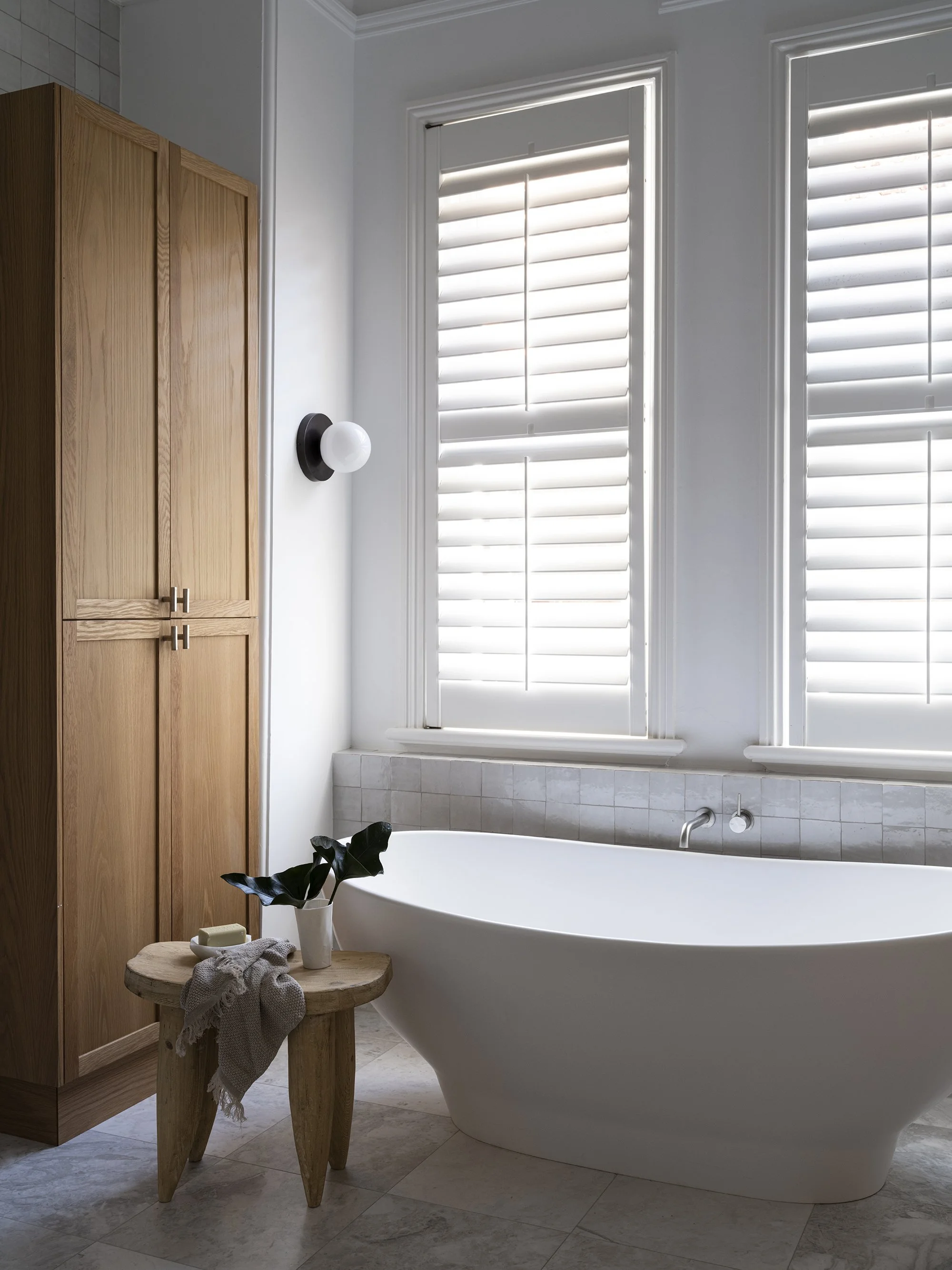
9. Additions should feel like they belong — without pretending to be old
A new kitchen, bathroom or extension doesn't have to imitate Federation architecture.
In fact, I generally prefer new work to have a sense of its own time.
The most successful old-and-new houses often have a clear distinction between the original architecture and the contemporary intervention, while still feeling harmonious as a whole.
That might mean a contemporary kitchen sitting comfortably behind original walls.
It might mean a modern bathroom using traditional proportions but contemporary fittings.
Or a new extension that picks up materials, colours or textures from the original house without copying its decorative details.
Old and new can coexist beautifully.
The questions I ask MYSELF before removing anything
When you're standing in an old house with a wish list in front of you, it's very easy to see what needs changing.
The kitchen isn't big enough.
The bathroom feels dated.
The hallway is dark.
The bedrooms need more storage.
The layout doesn't work for modern family life.
All of those things can be true.
But before reaching for the demolition plan, I think there is another question worth asking:
What is already wonderful about this house?
Start there. Work out what deserves to stay.
Then design everything else around it.
Because the most successful Federation renovations aren't necessarily the ones with the biggest changes.
They are the ones where, once the work is finished, the house feels as though it has always been this way just better suited to the people who live there now.
At Cloth + Stone, we believe old homes should have a future.
We specialise in creating timeless, layered interiors for heritage and character homes, balancing original architectural details with contemporary living.
Our approach is considered rather than formulaic. We look at the architecture, the way you live, the things you love and the opportunities within the existing house before deciding what needs to change.
The result should feel personal, comfortable and collected — not like a period reproduction, and not like a brand-new house dropped inside an old one.
If you're considering renovating a Federation or heritage home in Sydney or the Southern Highlands, we'd love to help you work out what to keep, what to change and where the opportunities lie. Book a Discovery call via the link below to get started.
All imagery featuring Cloth + Stone Designs projects. Photography by Brigid Arnott.